
Why Do I Have Ants in My Kitchen?

Finding ants crawling across your kitchen countertops, gathering around the sink, or marching toward your pantry can be frustrating. Even a clean kitchen can attract ants, especially in Florida, where warm temperatures and humidity allow many ant species to remain active throughout the year. Understanding why ants enter your kitchen is the first step toward getting rid of them and preventing future infestations.

ants in kitchen Largo

What Attracts Ants to Your Kitchen?

Ants enter homes primarily in search of food, water, and shelter. Your kitchen provides all three, making it one of the most common places to find an ant infestation.

Food crumbs and spills: Small amounts of food can attract ants surprisingly quickly. Sugar, honey, juice, grease, and crumbs left on countertops or floors can provide an easy meal. Open food packages and uncovered pet food can also attract foraging ants.

Moisture and water: Ants need water to survive. Leaky faucets, damp sponges, standing water around the sink, and moisture beneath refrigerators can attract ants looking for a reliable water source.

Easy entry points: Ants can enter through tiny gaps around windows, doors, plumbing pipes, and foundation cracks. Once a worker ant discovers food, it may leave a scent trail that guides other ants to the same location.

Nearby ant colonies: An ant nest may be located outside near your foundation, beneath a patio, or inside a wall void. If the colony is close to your home, worker ants may regularly enter your kitchen in search of food.

Why Do Ants Keep Coming Back?

One of the most frustrating things about kitchen ants is that they often return even after you clean the area or spray the ants you can see. That’s because killing visible ants does not necessarily eliminate the colony responsible for the infestation.

Ants follow chemical scent trails to food sources. If the trail remains active and the entry point is still accessible, more ants may continue to arrive. Some species also establish nests in wall voids or other concealed locations, making the source of the problem difficult to identify.

Effective ant control requires addressing the conditions attracting the ants and, when necessary, locating and treating the colony.

How to Prevent Ants in Your Kitchen

There are several practical steps you can take to make your kitchen less attractive to ants:

  • Wipe countertops and dining surfaces regularly, especially after preparing meals.
  • Sweep or vacuum floors to remove crumbs and food debris.
  • Store sugar, cereal, snacks, and other food in tightly sealed containers.
  • Empty trash cans regularly and keep lids closed.
  • Repair leaking faucets and eliminate unnecessary moisture.
  • Seal gaps around windows, doors, plumbing penetrations, and other possible entry points.
  • Clean up pet food and water spills promptly.

These preventive measures can reduce ant activity, although an established colony may require professional treatment.

When Should You Call a Professional Pest Control Company?

If ants continue appearing despite your best efforts, you may be dealing with an established colony or a species that requires a specific treatment approach. Different ant species respond differently to control methods, so identifying the type of ant is important.

A professional pest control technician can inspect your kitchen, identify likely entry points, determine the source of the infestation, and recommend an appropriate treatment plan. Professional service can be particularly helpful when ants are nesting inside walls or repeatedly returning after store-bought treatments.

Get Help With Kitchen Ant Problems

Ants in your kitchen are more than a nuisance. They can contaminate food-preparation surfaces and become difficult to control when a colony is left untreated. Taking action early can help prevent a minor problem from becoming a persistent infestation.

If ants keep appearing in your kitchen, McDonald Pest Control can help you identify the cause and determine the best way to control the problem. Contact McDonald Pest Control to discuss your ant problem and learn about professional pest control services for your Florida home.

McDonald Pest Control provides pest control services in Largo, Clearwater and the surrounding area.

For more information, visit our website at https://www.mcdonaldpestcontrol.com/
or call (727) 734-0963.
How Often Should You Schedule Pest Control for Your Home?

Keeping pests out of your home is an important part of protecting your property and maintaining a clean, comfortable living environment. In Florida, warm temperatures and high humidity allow many pests to remain active throughout the year. For this reason, regular pest control can help homeowners prevent infestations before they become serious problems.

truck

Digital Camera

How Often Do You Need Pest Control?

For many Florida homes, scheduling professional pest control every two to three months is a reasonable starting point. Quarterly treatments can help manage common household pests, including ants, cockroaches, spiders, and other unwanted insects. However, the ideal schedule depends on your property, the types of pests in your area, and whether you have experienced infestations in the past.

Homes with recurring pest problems may benefit from more frequent treatments. For example, properties experiencing persistent ant or cockroach activity might require additional visits until the problem is under control. Termite inspections and treatments follow different schedules depending on the treatment method, property conditions, and the pest control professional’s recommendations.

Signs You May Need Pest Control More Frequently

Several warning signs indicate that your current pest control schedule may not be sufficient. These include seeing ants in your kitchen regularly, finding cockroaches in bathrooms, hearing scratching sounds in the attic, or noticing droppings near walls and storage areas. If you discover signs of termites or bed bugs, contact a qualified pest control professional promptly rather than waiting for your next scheduled appointment.

Florida’s rainy season can also drive certain pests indoors as they seek shelter from wet conditions. Keeping your home clean, sealing cracks, repairing screens, and reducing standing water can help complement professional pest control treatments.

Why Regular Pest Control Matters

Routine pest control helps identify potential problems early, reduce recurring pest activity, and protect your home from certain forms of pest damage. A professional can inspect vulnerable areas, recommend appropriate treatments, and suggest preventative measures tailored to your property.

Schedule Pest Control for Your Florida Home

The right pest control schedule can make a significant difference in keeping your home protected throughout the year. Whether you are dealing with ants, roaches, rodents, or other unwanted pests, professional assistance can help you address the problem and reduce the chance of it returning.

Contact McDonald Pest Control to discuss your home’s needs and develop a pest control plan suited to your property. Regular prevention and prompt attention to pest activity can help you enjoy a cleaner, more comfortable home.

McDonald Pest Control provides pest control services and lawn care in the Clearwater and Tampa Bay area. For more information, go to our web site

www.McDonaldPestControl.com

or call (727) 734-0963

How to Tell if Your Home Has Termites

Termites can cause serious damage to a home before a homeowner realizes there is a problem. Because termites often stay hidden inside walls, floors, and other areas of a structure, knowing the warning signs can help you catch an infestation before the damage becomes extensive.

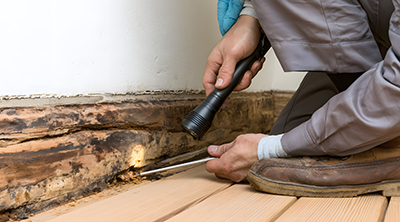
termites in baseboard

One of the most common signs of termites is wood damage. Termites eat wood from the inside, which can leave wooden floors, walls, door frames, or window frames feeling hollow or weakened. You may also notice small cracks, damaged wood, or areas that appear blistered or swollen.

Another warning sign is mud tubes. Subterranean termites often build narrow mud tubes along foundations, walls, crawl spaces, or other surfaces. These tubes provide protection while termites travel between their colony and their food source.

Discarded wings around windows, doors, light fixtures, or other areas of the home can also indicate termite activity. Swarming termites shed their wings after finding a place to establish a new colony. Finding piles of small wings indoors or around your property is a reason to have your home inspected.

You may also notice termite droppings, sometimes called frass. These small pellets can accumulate beneath damaged wood or near termite galleries.

If you suspect termites, don’t wait for visible damage to become severe. A professional pest control company can inspect your home, identify signs of termite activity, determine the extent of the problem, and recommend an appropriate treatment.

Regular termite inspections can also help protect your home from expensive structural damage. If you notice mud tubes, discarded wings, damaged wood, or other signs of termites, contacting a professional promptly can help you address the problem before it gets worse.

McDonald Pest Control provides pest control services in Largo, Clearwater and the surrounding area.

For more information, visit our website at https://www.mcdonaldpestcontrol.com/
or call (727) 734-0963.